About Salalah

Salalah: The Jewel of Arabia – A Journey Through Time and Nature

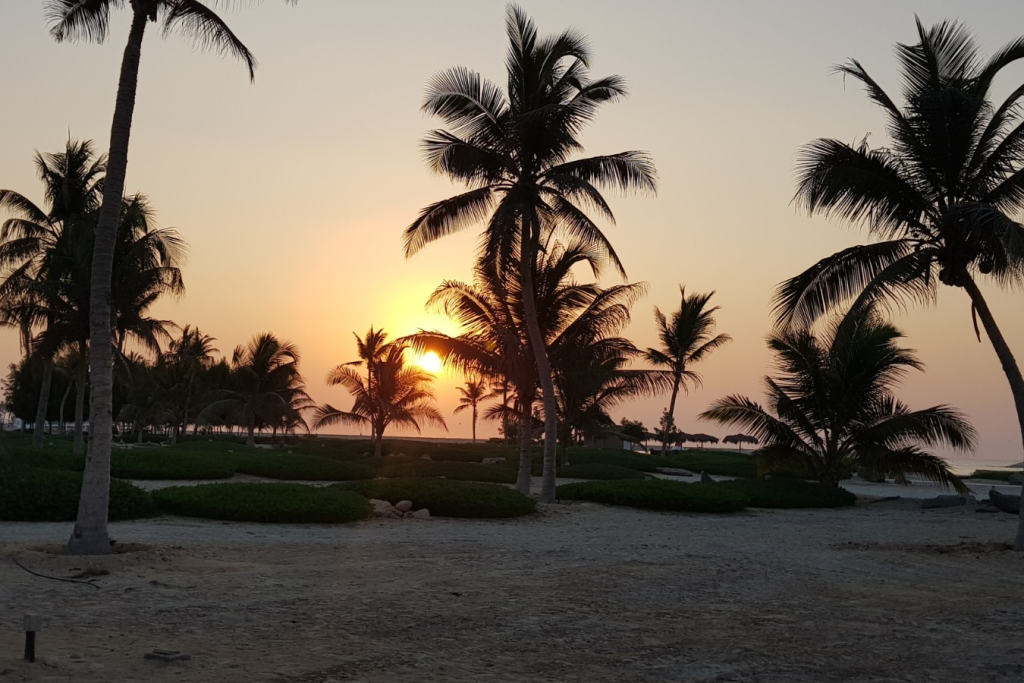
Salalah, the capital of Oman’s southern Dhofar Governorate, stands as a unique geographical and cultural anomaly in the Arabian Peninsula. Known as the “Perfume Capital of Arabia,” it offers a rare synthesis of ancient history, lush landscapes, and a climate that defies the arid stereotypes of the region. For scholars and delegates attending ICCDA 2026, Salalah provides not only a serene backdrop for academic discourse but also a living museum of human heritage and ecological wonder.

The Land of Frankincense: A UNESCO World Heritage Legacy

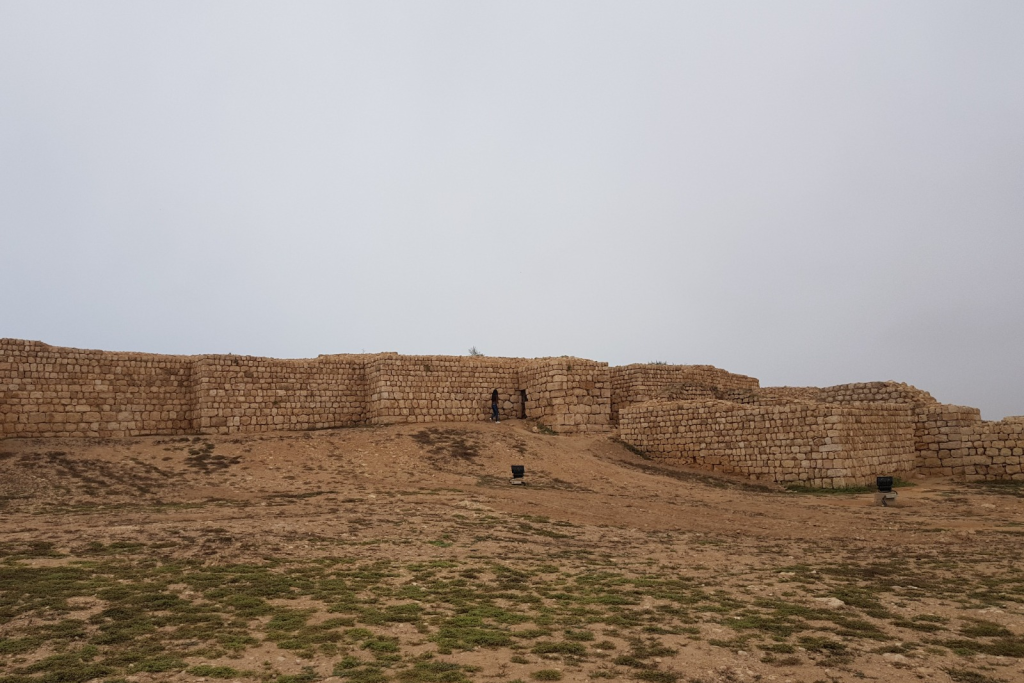
Salalah’s historical identity is inextricably linked to the frankincense trade, which for centuries connected the Arabian Peninsula to the Mediterranean, India, and China. The UNESCO-listed “Land of Frankincense” sites offer a profound look into this ancient commerce.

Natural Wonders: From Misty Mountains to Azure Shores

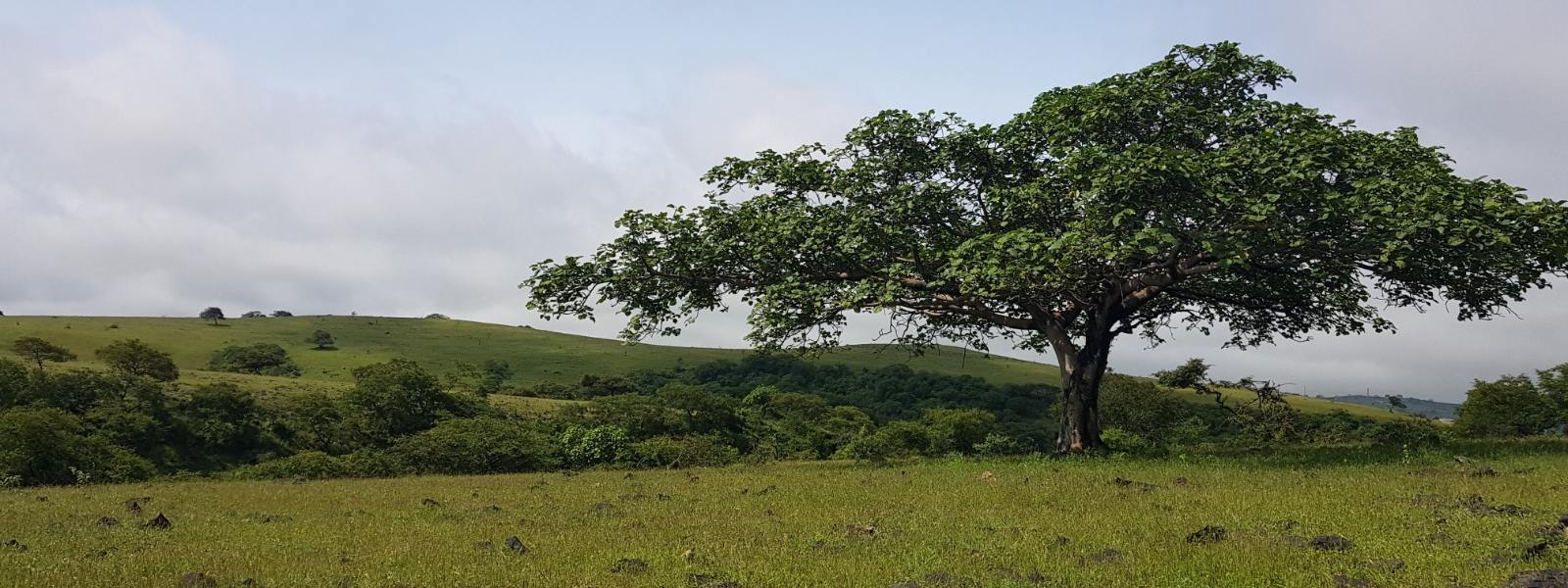
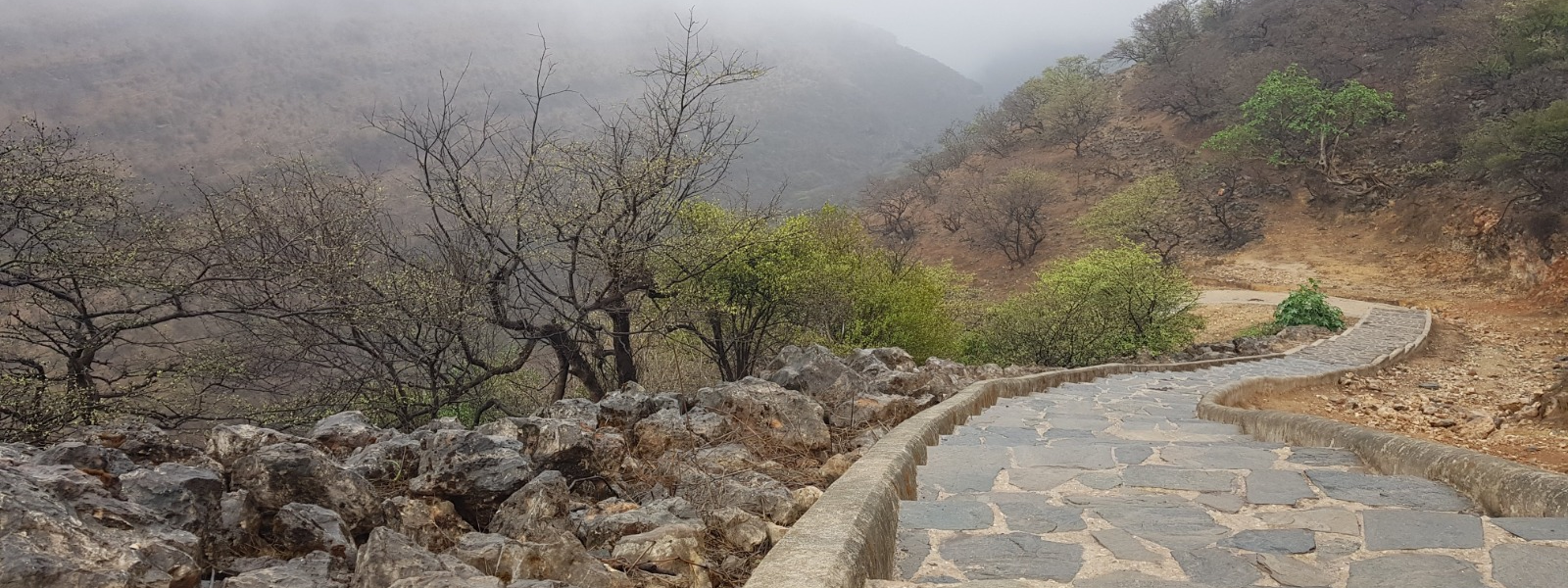
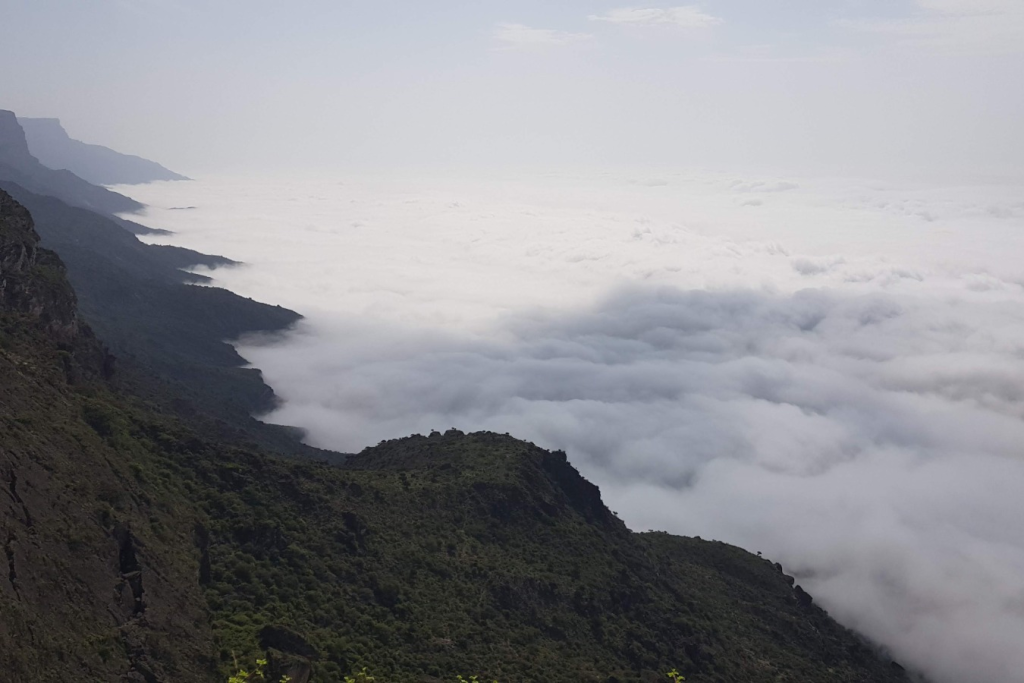
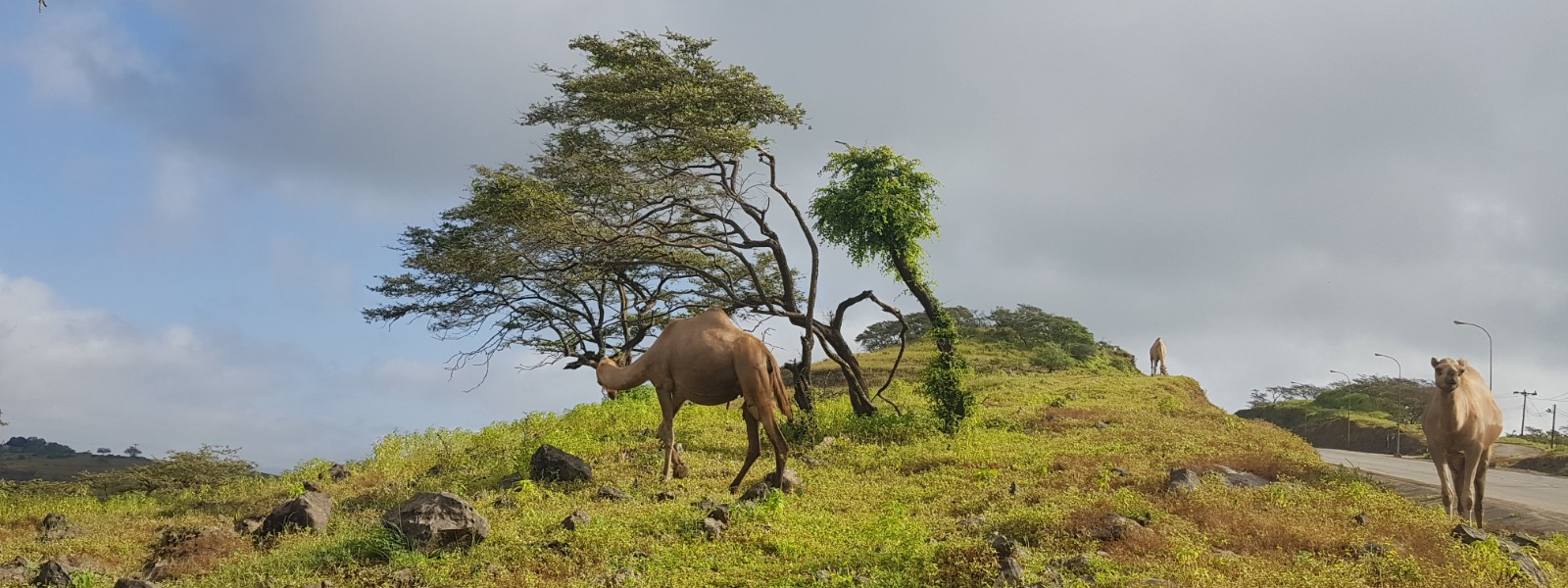
While much of the Middle East experiences high temperatures, Salalah’s environment is shaped by the Khareef (monsoon) season. By November, during ICCDA 2026, the intense mist has subsided, leaving behind a pleasantly cool climate and a landscape still vibrant with life.

The Wadis and Waterfalls

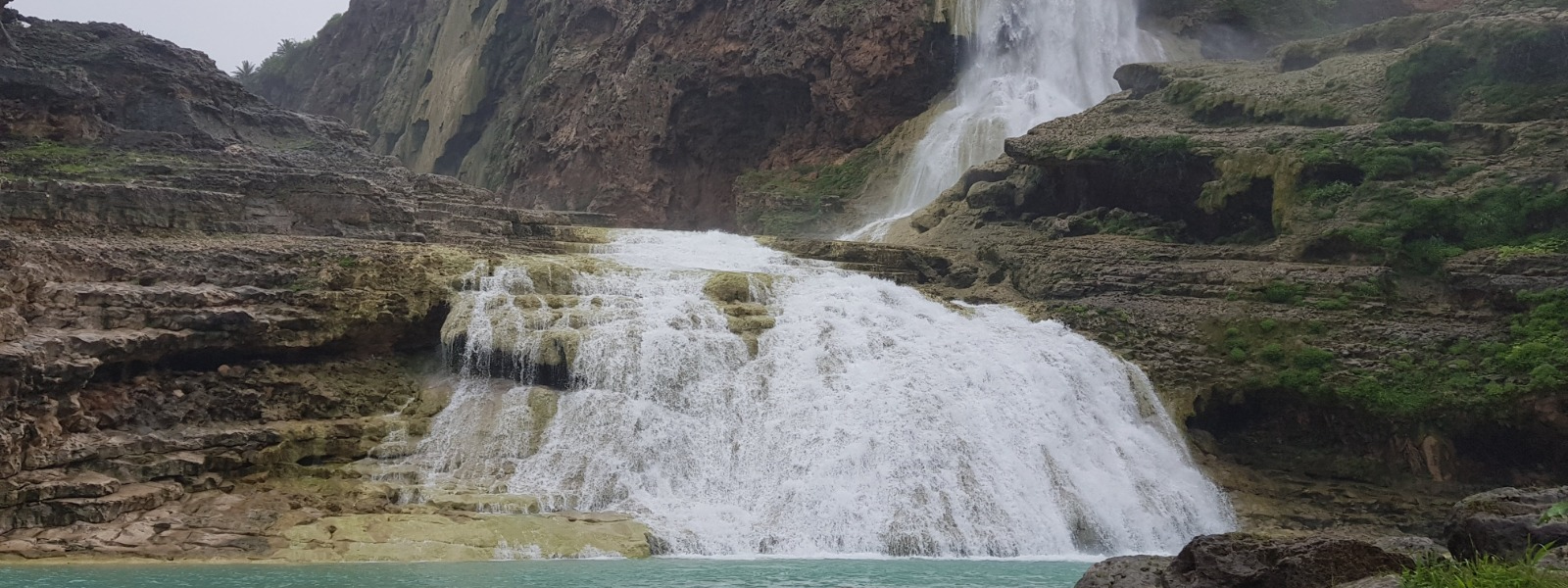
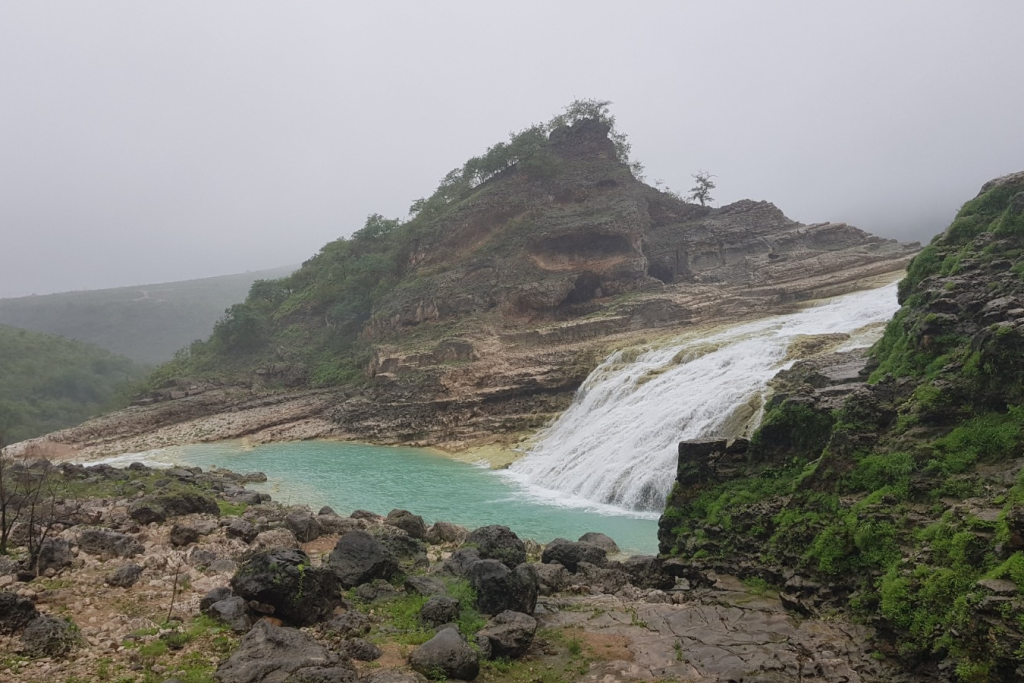
Wadi Darbat is perhaps the most iconic natural site in Dhofar. This verdant valley features a large natural lake, cascading waterfalls, and roaming herds of camels. It is an ideal location for a post-conference retreat, offering boat rides and scenic hiking trails.

The Coastal Splendor

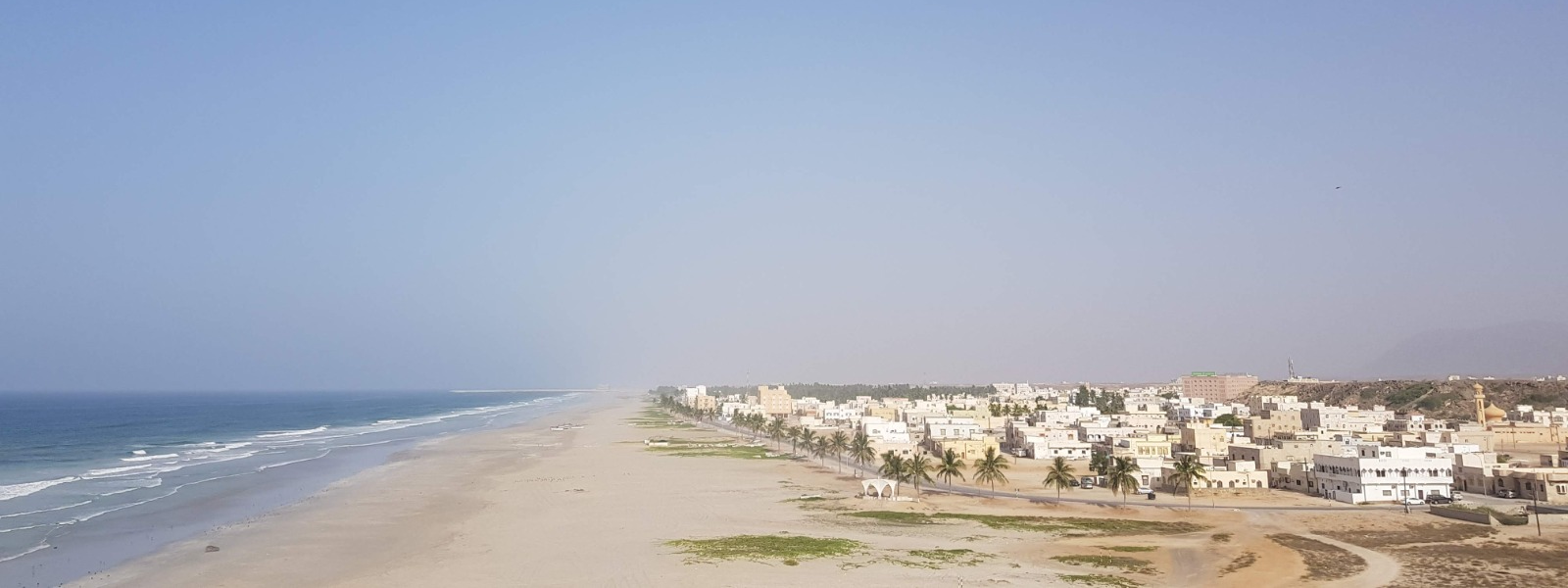
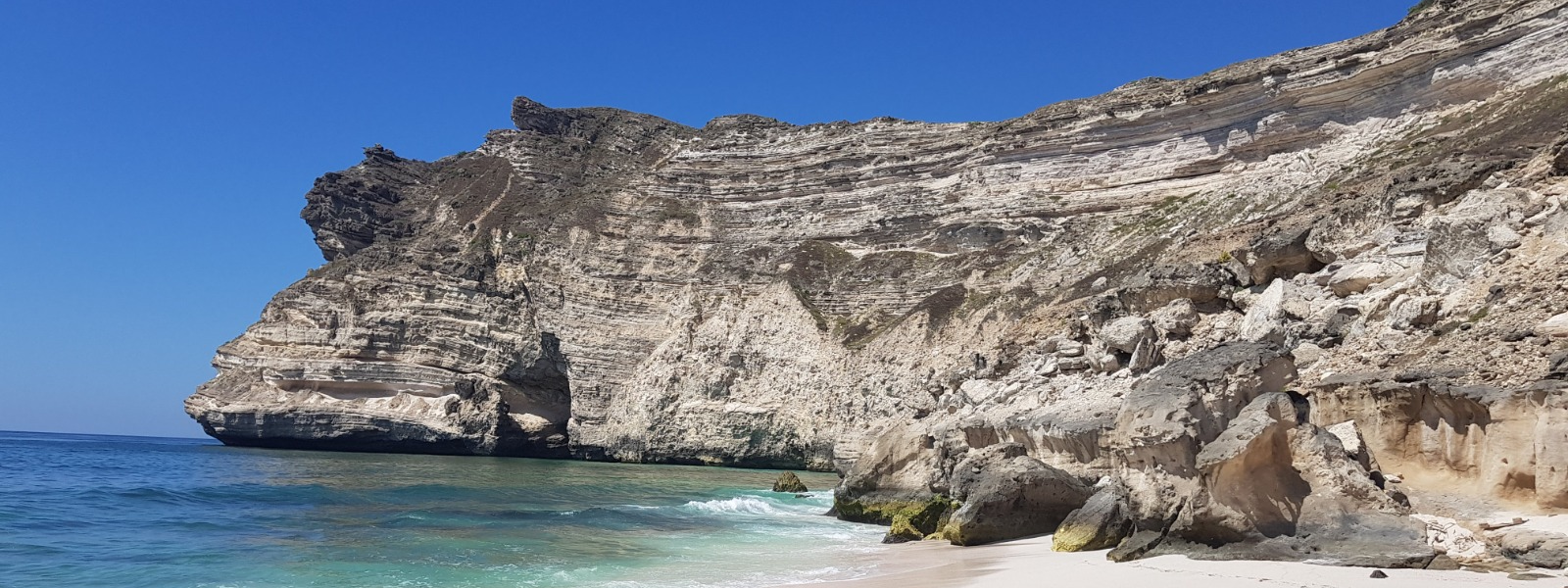
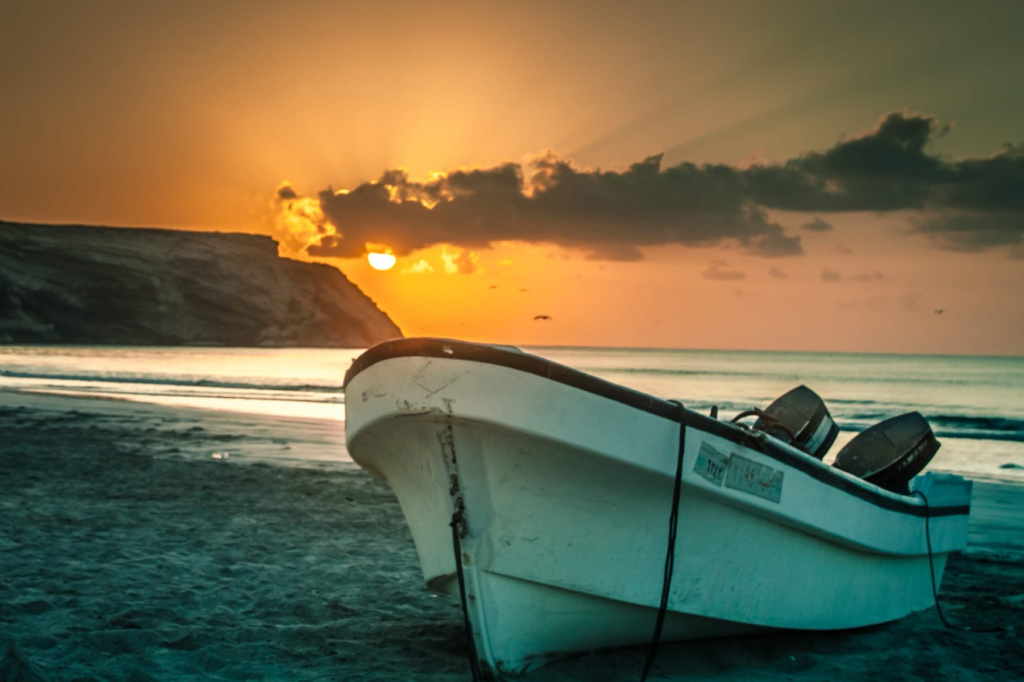
The coastline of Salalah is a dramatic meeting of the Qara Mountains and the Arabian Sea.
Mughsail Beach: Famous for its white sands and the Marneef Cave, where natural “blowholes” (fountains of seawater) erupt through the limestone cliffs during high tide.
Taqah: A charming fishing village featuring a well-preserved castle that provides insight into traditional Dhofari domestic life.

Cultural Immersion and Modern Landmarks​

Salalah is a city that wears its heritage with pride while embracing modern architectural elegance.

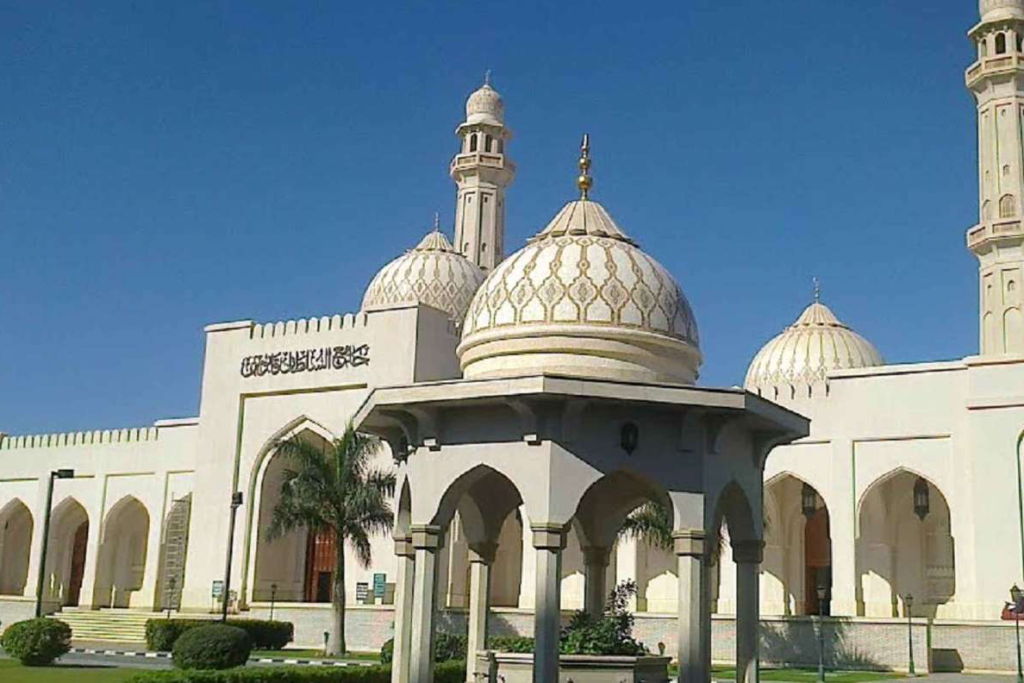
Sultan Qaboos Mosque: A masterpiece of Islamic architecture, the mosque is open to non-Muslim visitors (during specific hours) and features intricate carvings, massive chandeliers, and hand-woven carpets.
Haffa Souq: No visit to Salalah is complete without a stroll through this traditional market. The air is thick with the scent of burning frankincense. It is the best place to purchase high-quality resins, perfumes, and traditional Omani silver.
Weather in November

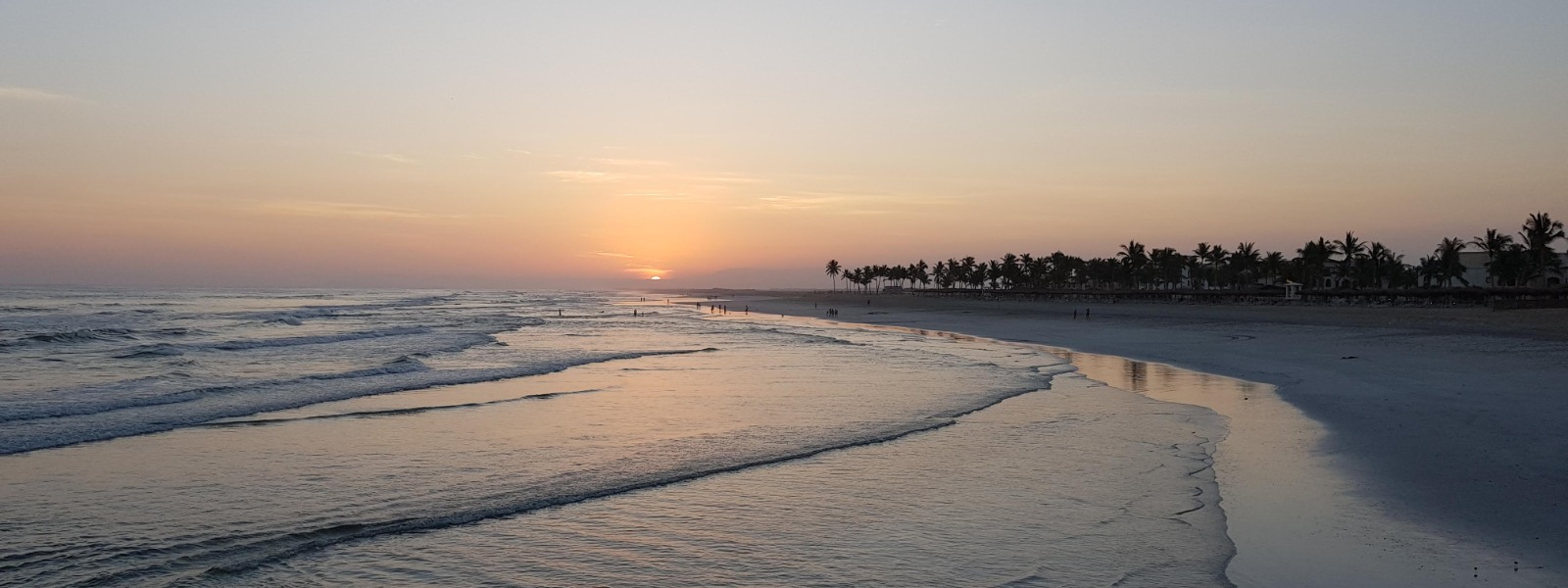
November is widely considered the best time to visit Salalah. The weather is mild, with daytime temperatures averaging 27°C (80°F) and evenings cooling down to a comfortable 20°C (68°F). The skies are generally clear, making it perfect for outdoor exploration.

Local Cuisine

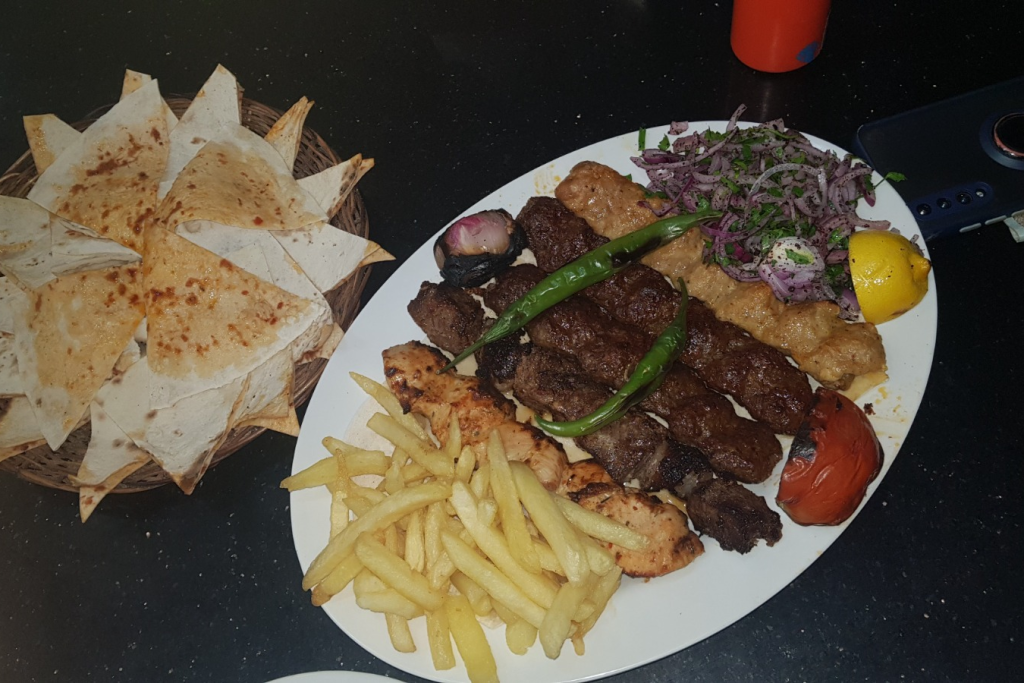
Scholars are encouraged to try Mishkak (grilled meat skewers) and Maqbous (spiced rice with meat). Dhofari cuisine is distinct for its use of local spices and fresh seafood from the Arabian Sea.

Transport

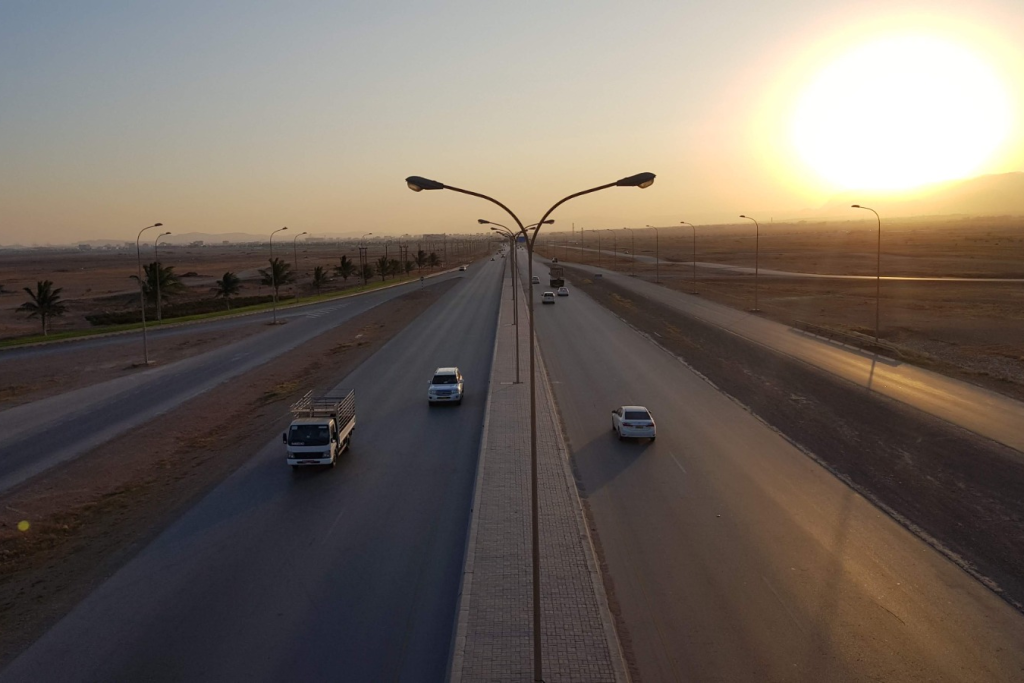
Salalah International Airport (SLL) is well-connected to major regional hubs. Within the city, taxis and car rentals are the most efficient ways to travel between the University of Technology and Applied Sciences and local attractions.